
They have been calling for your attention for what feels like all day, climbing on you, asking for food, wanting to play. You have had toys thrown at your head, your hair pulled (whilst being lovingly stroked) cold tea spilt on you and some banana squashed onto your trousers. You don’t even bother to change the trousers because it is only 10am and you are pretty sure you will end the day covered in plenty more.
Whether you are a stay at home parent, working part-time, full-time, I am sure some of this will be recognisable.
The thing is though if this was a one off, then it is easy to move on from. But when this is all day, every day, it is tough to keep your cool.
I do not think many things in life can prepare you for the change in responsibility that parenthood brings. We all know this logically & intellectually, but the actual day to day impact on your own energy, capacity, ability to rest, to sleep, to nourish yourself and to, well, really, meet any of your own needs.
There is also an enormous amount of mental and emotional responsibility to carry. Things to learn, things to remember, decisions to make and an endless list of things to worry about.
Even the simplest parts of everyday life can become a series of micro-decisions, all while we’re trying to meet the needs of someone else.
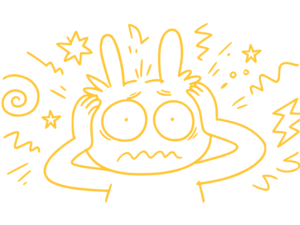
When we become parents, we feel overwhelming love, and need to protect and provide for.
But as they get a little older, a little more capable, a little more adventurous, and a little more accident prone, even those quiet moments that were safe to go to the toilet for a minute, disappear, because you simply cannot guarantee that they will be safe.
And importantly, the level of responsibility never seems to decrease, it changes, and honestly can just become a whole new world to navigate.
After spending months upon months in this survival state, with heightened emotions on top, it can bring frustration, shouting, anger and tears.
WHY?
There isn’t one simple answer to why we sometimes become so angry with our children.
Sometimes it is the noise, the constant touching, the questions, the interruptions and the feeling of being needed every second of the day. Sometimes it is lack of sleep, chronic pain, work, financial pressure, sensory overload or simply having too much to think about.
Sometimes it is all of it, all at once.
When we spend long periods in a state of constantly responding to other people’s needs, without enough opportunity to recover ourselves, our capacity can become smaller and smaller.
We can become more easily irritated. Things that we might normally manage suddenly feel unbearable. We can find ourselves shouting, snapping or crying, and wondering where that reaction came from.
For some of us, there is another layer too. We have become so used to putting ourselves last that we don’t always recognise what we need anymore. We may have spent years adapting, masking, meeting expectations or simply getting on with things.
And when we consistently don’t have the opportunity to meet our own needs, that pressure has to go somewhere and we cannot always direct it in a way we would like to.
BUT
Some of us, do not know what it is that we need, we do not know what we love, what makes us laugh, what makes us tired, if we like noisy places, if we need movement everyday, if we need connection. Even when we do know what we need, it can be hard to acknowledge and act upon them, we feel guilty, selfish and like we are letting them down.
EXPECTATIONS VS REALITY
When we think about having children, we tend to plan, dream and imagine how we will be as parents, how our children will be and what we hope our family life will look like.
We might imagine the activities we’ll do together, the relationship we’ll have with our children, the way we’ll respond when things are difficult and the kind of parent we want to be.
And then reality happens.
Our children have their own personalities, needs and experiences. We have our own needs, limitations, emotions and capacity. Life throws things at us that we could never have planned for.
The reality is inevitably different from the picture we had in our heads.
And sometimes those expectations can become another source of pressure.
We compare ourselves to the parent we imagined we would be. We feel guilty when we don’t respond in the way we wanted to. We keep pushing ourselves towards an ideal that doesn’t take into account what is actually happening in our lives.
Having ideals isn’t the problem. They can be important to us and reflect the kind of parent we want to be.
The question is whether those ideals are helping us, or whether they have become another way of telling ourselves that we aren’t doing enough, that we are failing them. When we reflect on who we are as parents, who our children are, the reality of our human lives, we may recognise that we aren’t doing as badly as we think.
‘Years ago when my children were little, I was having a difficult time which I was being supported. At the time I worried I wasn’t providing the life I wanted for them.
But I made a promise when my first was born, that I would always be in photographs, because they will have a record that mummy was there.
Years later when we looking through the photos, I realised, we were fine.’
When you are in the thick of it, it can be incredibly difficult to see things from the outside. But when you stop and reflect, and allow yourself to see the happiness, the smiles, the grazed knees because they were playing and running, the ordinary moments of family life, you may see something different from the story you have been telling yourself.
Maybe you weren’t failing them.
Maybe you were just living a real life with them.
WHAT CAN YOU DO?
Think back to the things that you did to relax before, think about places, areas, people that made you feel uncomfortable, what are your sensory needs? When we find these answers, we can begin to understand what our own regulation and well-being needs are. When you are your most energetic and happiest, what activities do you choose to do?
When you are unwell, what activities do you do that bring comfort? These are the things that will inform reconnecting with yourself.
Then, we can find ways to bring those things back into your life.
YES, SIAN, BUT WHY? HOW IS THAT GOING TO STOP ME LOSING MY TEMPER?
Supporting yourself doesn’t mean you’ll never lose your temper. It means you’re giving yourself more opportunity to recover, recognise what’s happening and have more capacity available.
When your body feels safe, the accumulation of always being needed, becomes less of a pressure valve because you are actively releasing that pressure at times.
When we raise children, advocating and caring for ourselves, seeing ourselves as a priority, we model these behaviours, values and characteristics to our children.
And perhaps this is an important point to make here.
Having feelings is okay.
Being angry is okay. Being frustrated, overwhelmed, irritated, touched out, fed up or just completely done is okay.
We don’t need to become parents who never experience difficult emotions.
The important part is what we do with those emotions.
We can recognise that we are overwhelmed and need some space. We can learn to notice the signs that we are reaching our limit.
And sometimes, despite our best intentions, we will still get it wrong.
That doesn’t mean we have failed as parents.
It means we are human.
What matters then is what happens next.
I remember when my youngest child was 3, they were peak meltdown era, before any of us had a full understanding. I tried my very best with what I knew to support them. It was mid afternoon, around the time we can tend to have an energy dip, they had dropped their naps, but also were still not sleeping at night, we were exhausted. They were crying and had been for a long time, crying on me, and being strong and forceful in their movements, which was also very tiring. I wanted a breather, I needed a breather, I made a cup of tea, and we had a stair gate on the kitchen entrance.
I shut the stair gate, them on the other side – they were perfectly safe, we could see each other, hear each other – and I opened the back door. I sat on a stool with my cup of tea and just felt the fresh air on my face for a few moments, with a few sips of tea.
I returned to my child and continued with our day.
Now you may be wondering what the relevance of this anecdote is, well there is a reason I remember it so clearly….I felt guilty. I felt guilty for separating myself from my child, even though they could see me still, I could talk to them, and them to me. But I was exhausted, overwhelmed and touched out. I was not neglectful, I was not unkind, I never put them in danger, but because I separated myself from them (for less than 3mins) I felt a failure.
Now I have a great understanding of exactly what was happening here, I was overwhelmed and dysregulated and so were they. I have nothing left to use to support them to regulate.
As an individual, I withdraw when I am having a hard time, I ‘shutdown’.
The action I took in this moment was self-care, I was relieving my own dysregulation enough so that I could effectively attend to and support my child. It meant that when I went back to them, I was calmer, I was able to be present for them and provide the support and comfort that they needed.
As I have been writing this, it has caused me to further reflect, piecing together the additional things I know about myself and my family, that as my children have grown, I have grown. Having to be so present when they are dysregulated heightened my awareness of my own regulation needs, in supporting them and modelling meeting my own needs, has meant that we have a cohesive supportive relationship, for the most part, they are teenagers.
They have been able to reflect some of my own sensory needs that I was unaware of.
I thank them for that, and for the opportunity to become who I am today.
Next week…
What happens when you do lose your temper?
How do we repair with our children, talk about what happened, and show them that having big emotions is okay — without making them responsible for ours?
Look out for next week’s blog, where we’ll explore this together.
 The Author
 The Author
Sian Spencer
Founder of Diverse Living Devon, a neurodivergence & chronic illness mentoring service based in Devon.
With over 13 years of professional and lived experience, she supports neurodivergent people, their families, and professionals in understanding sensory processing, behaviour, emotional regulation, communication, and practical everyday challenges.
Her articles draw on professional experience, lived experience, ongoing professional development, current evidence, and years of real-world practice. She is passionate about making complex topics accessible, helping people better understand themselves and others through practical, compassionate, and evidence-informed guidance.
The information shared in these articles is intended to educate, encourage understanding, and provide practical strategies. It should not replace personalised medical, therapeutic, or legal advice.